

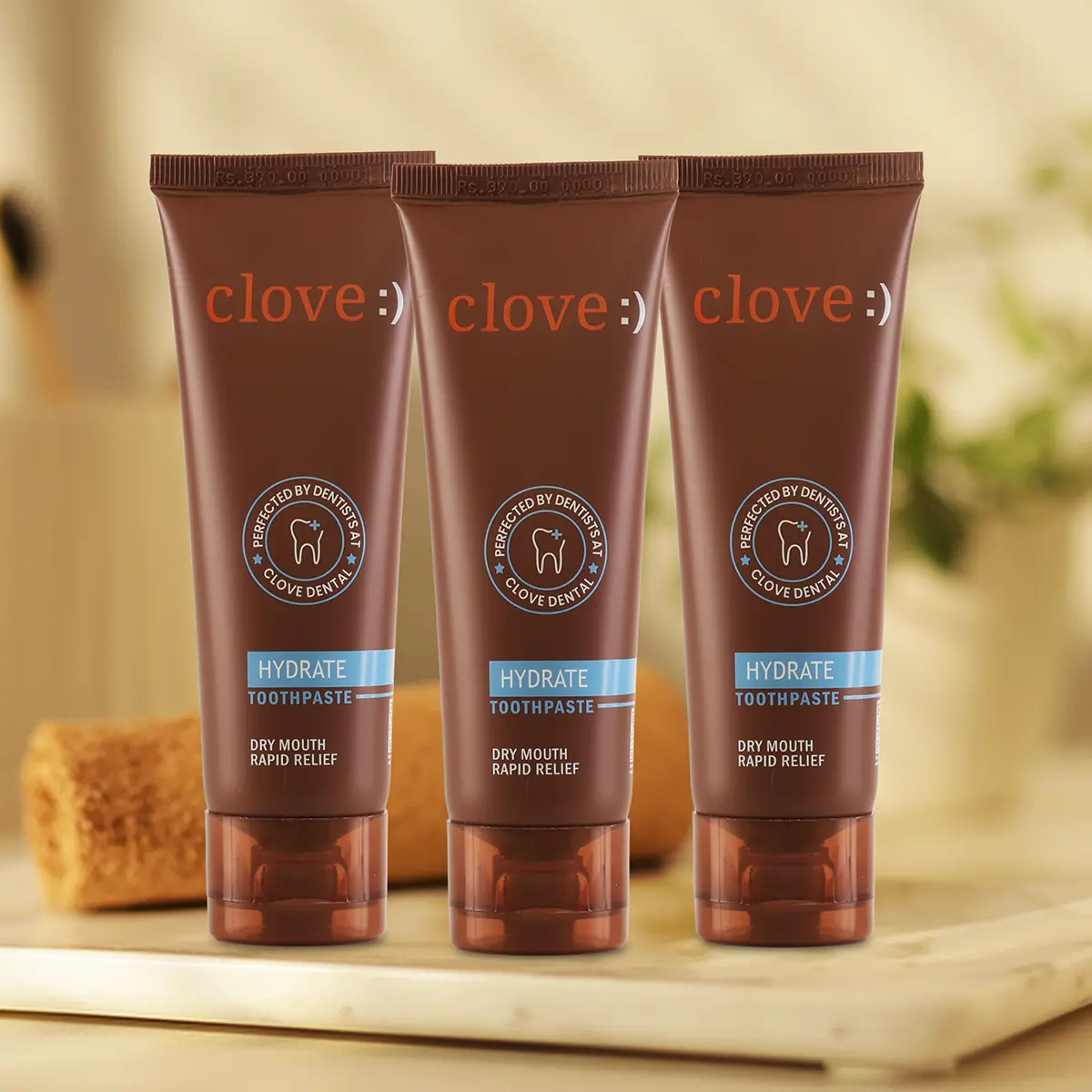
Clove Hydrate Toothpaste for Dry Mouth Relief & Saliva Support
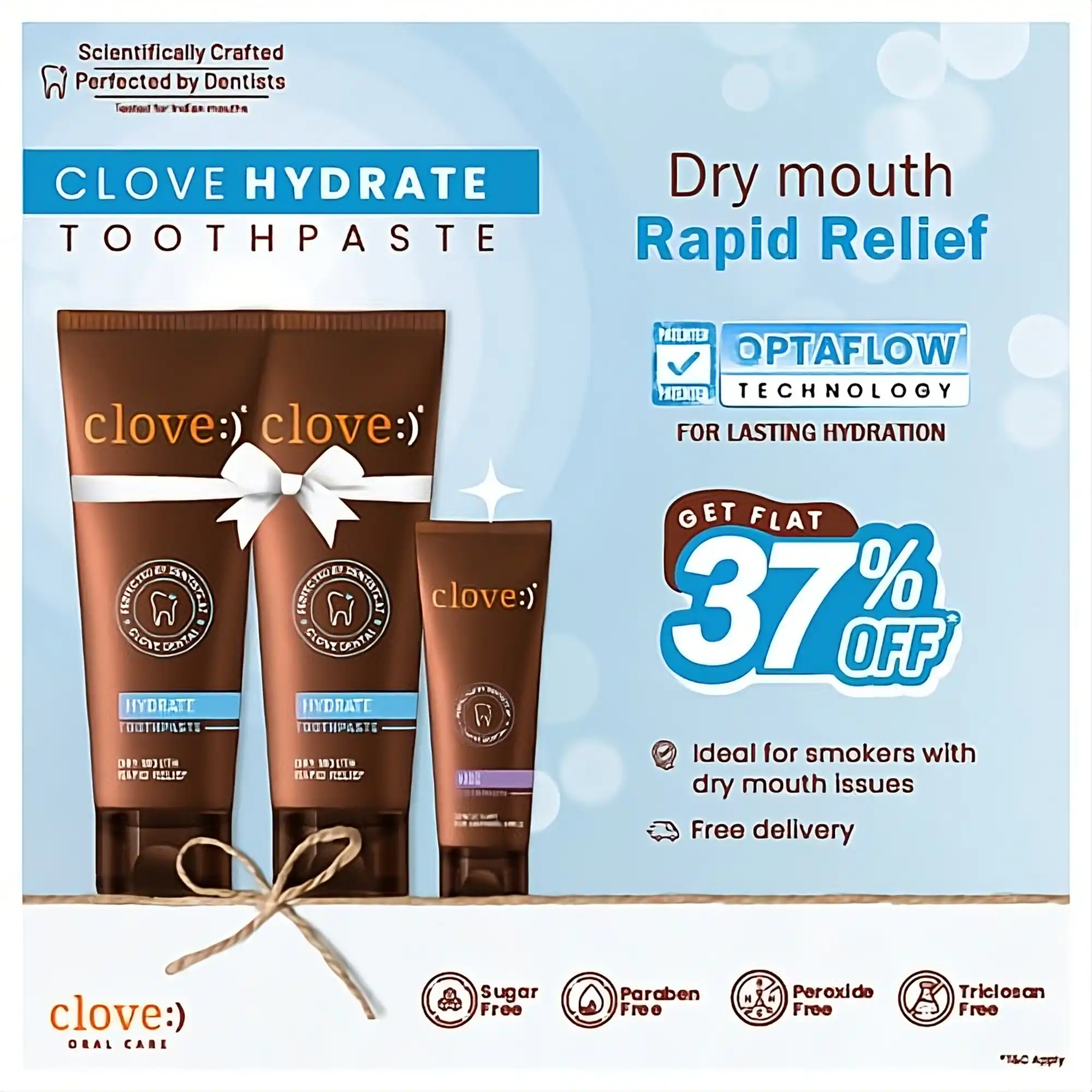
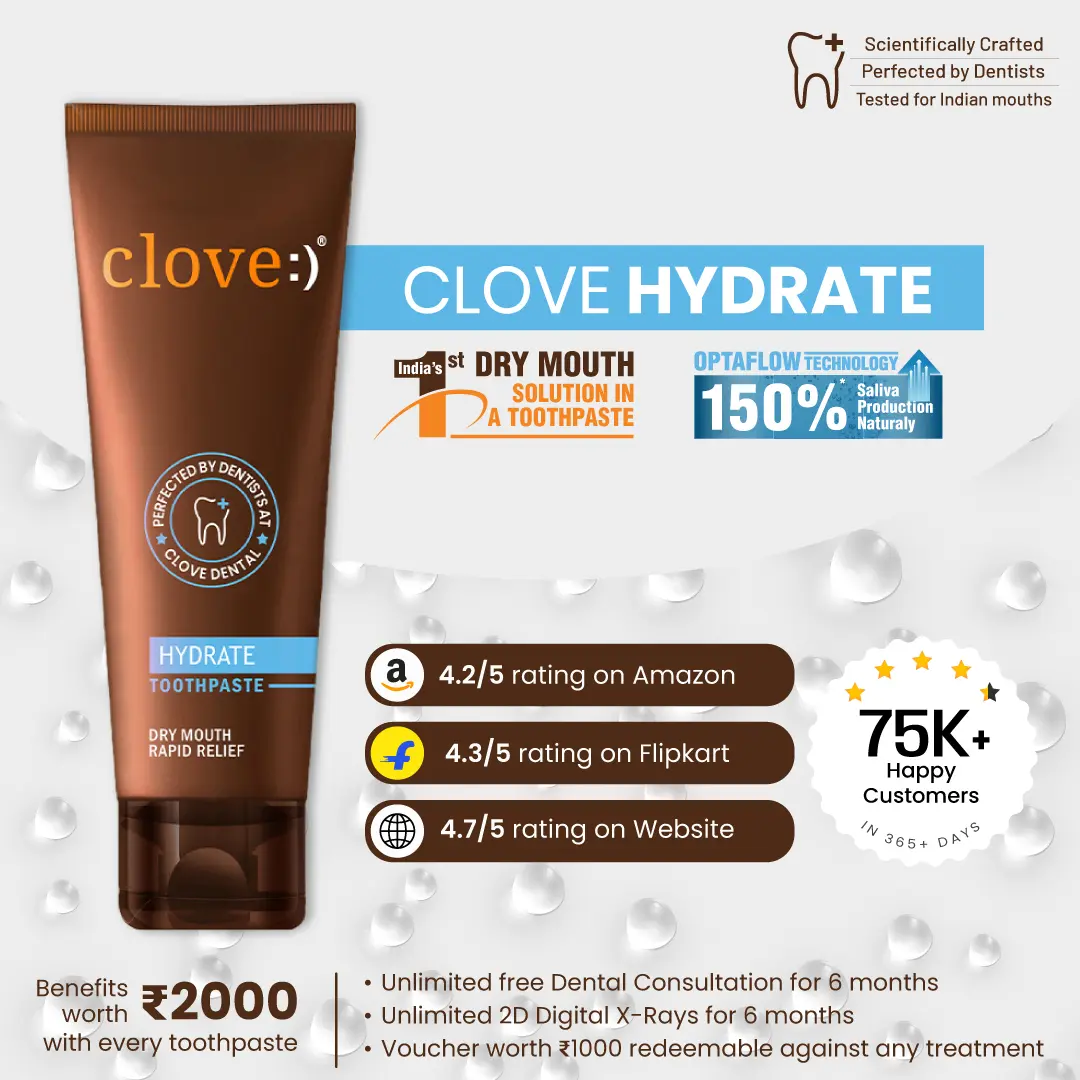
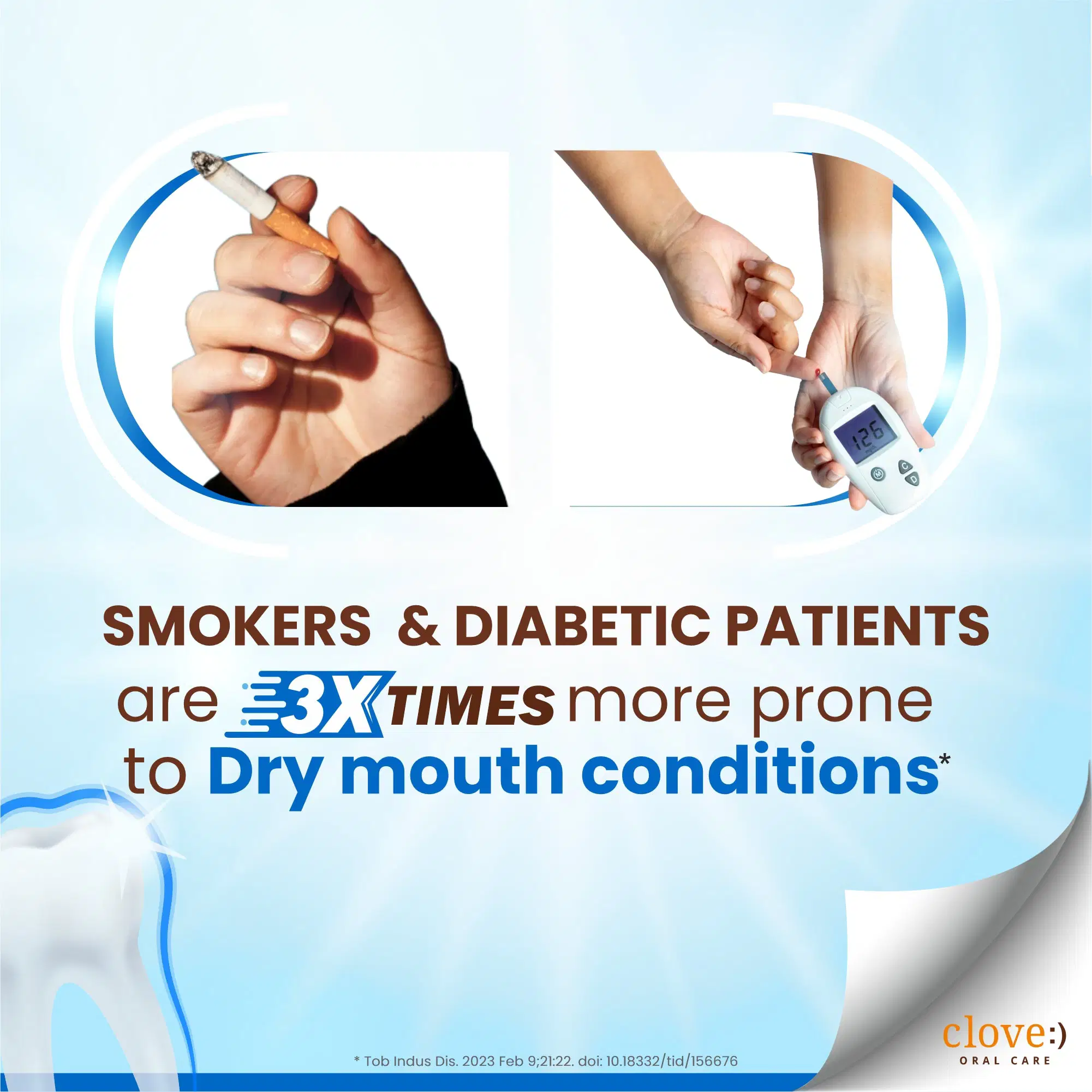
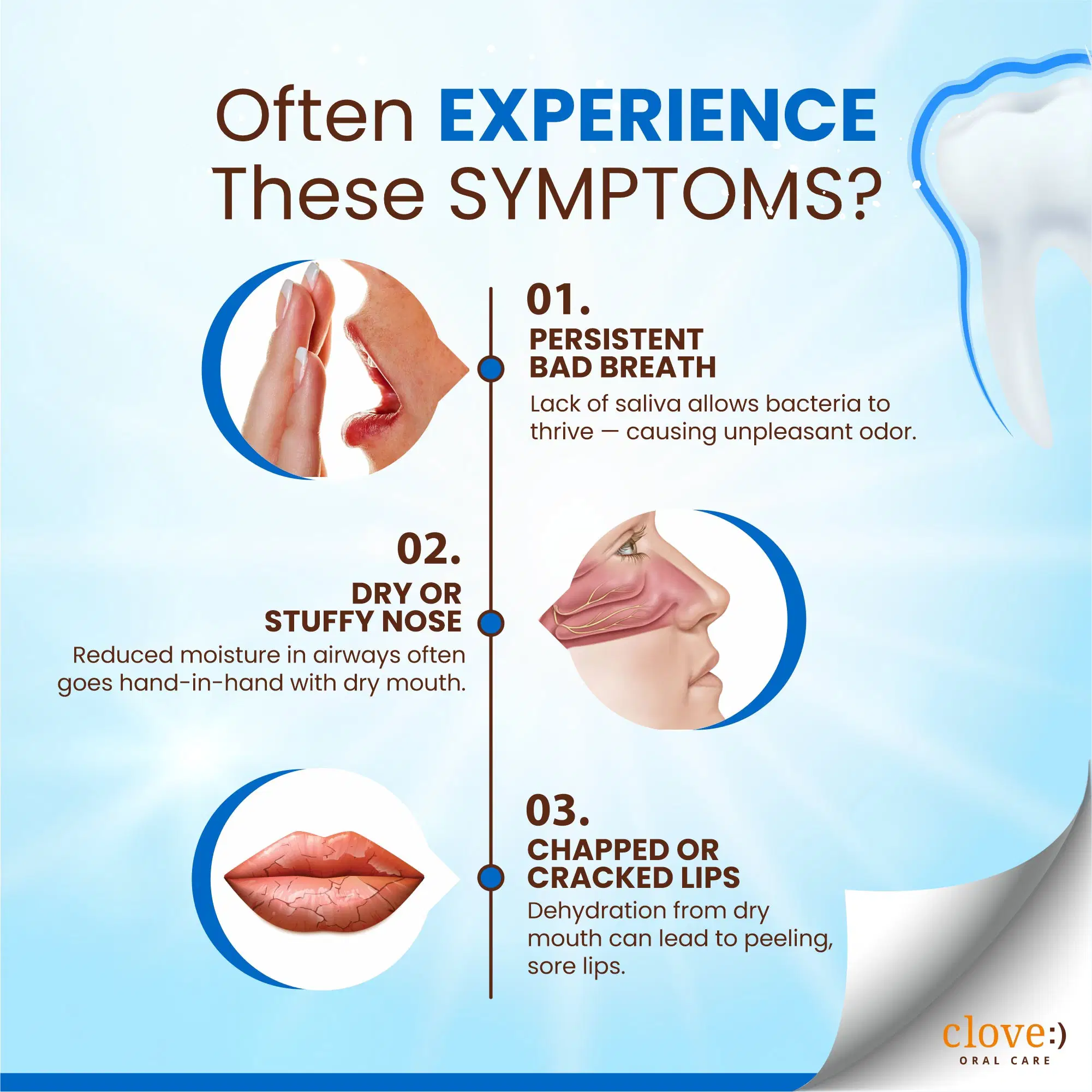
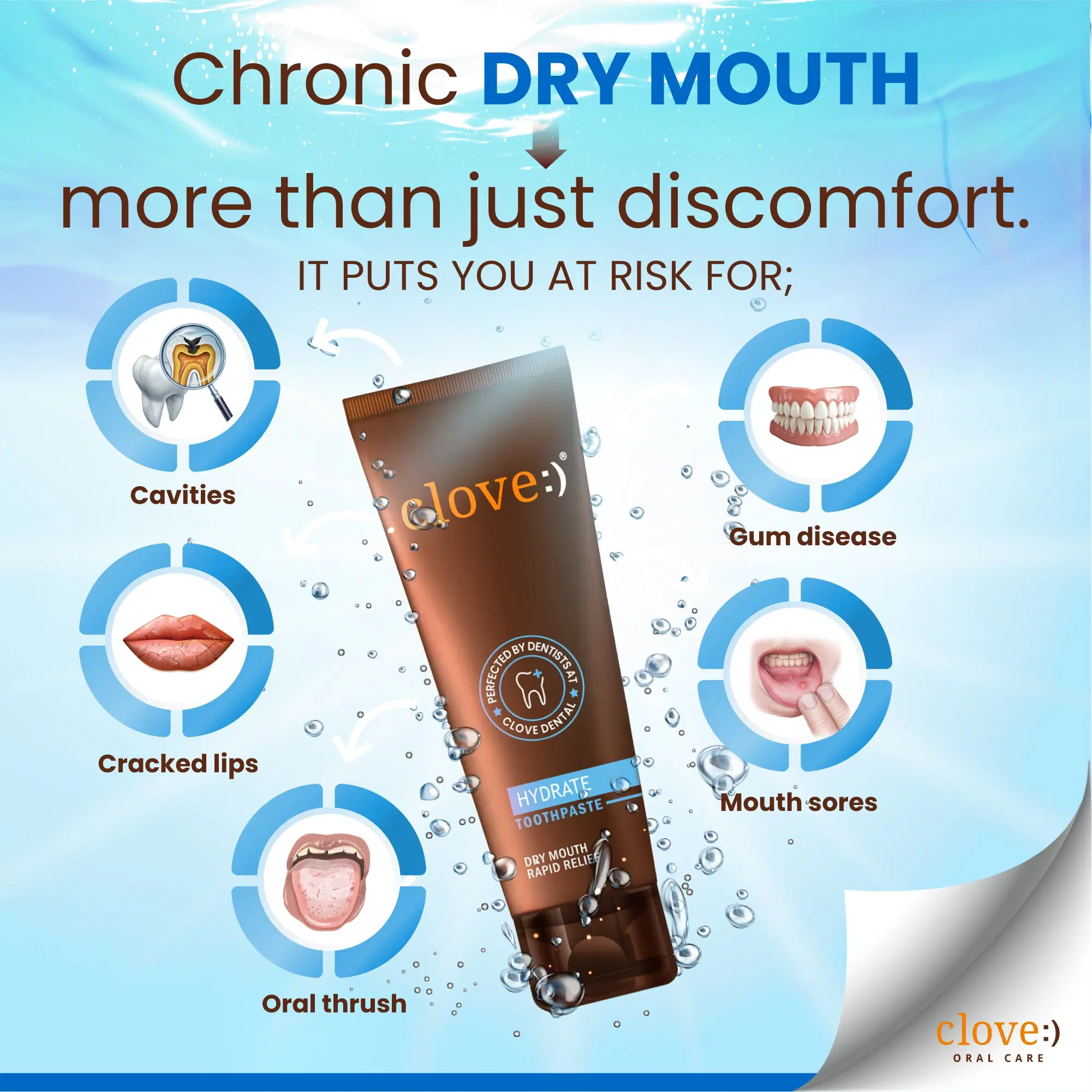
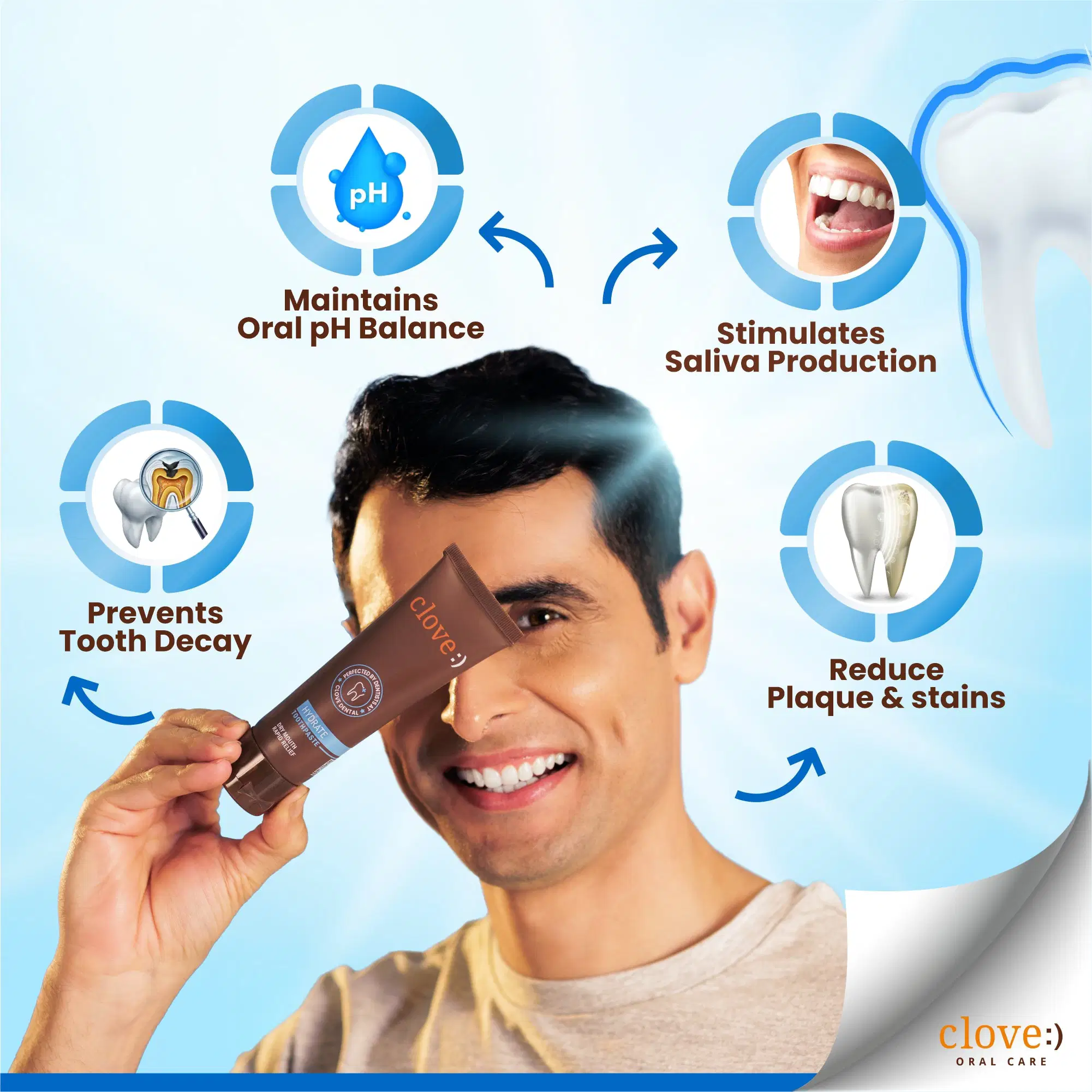
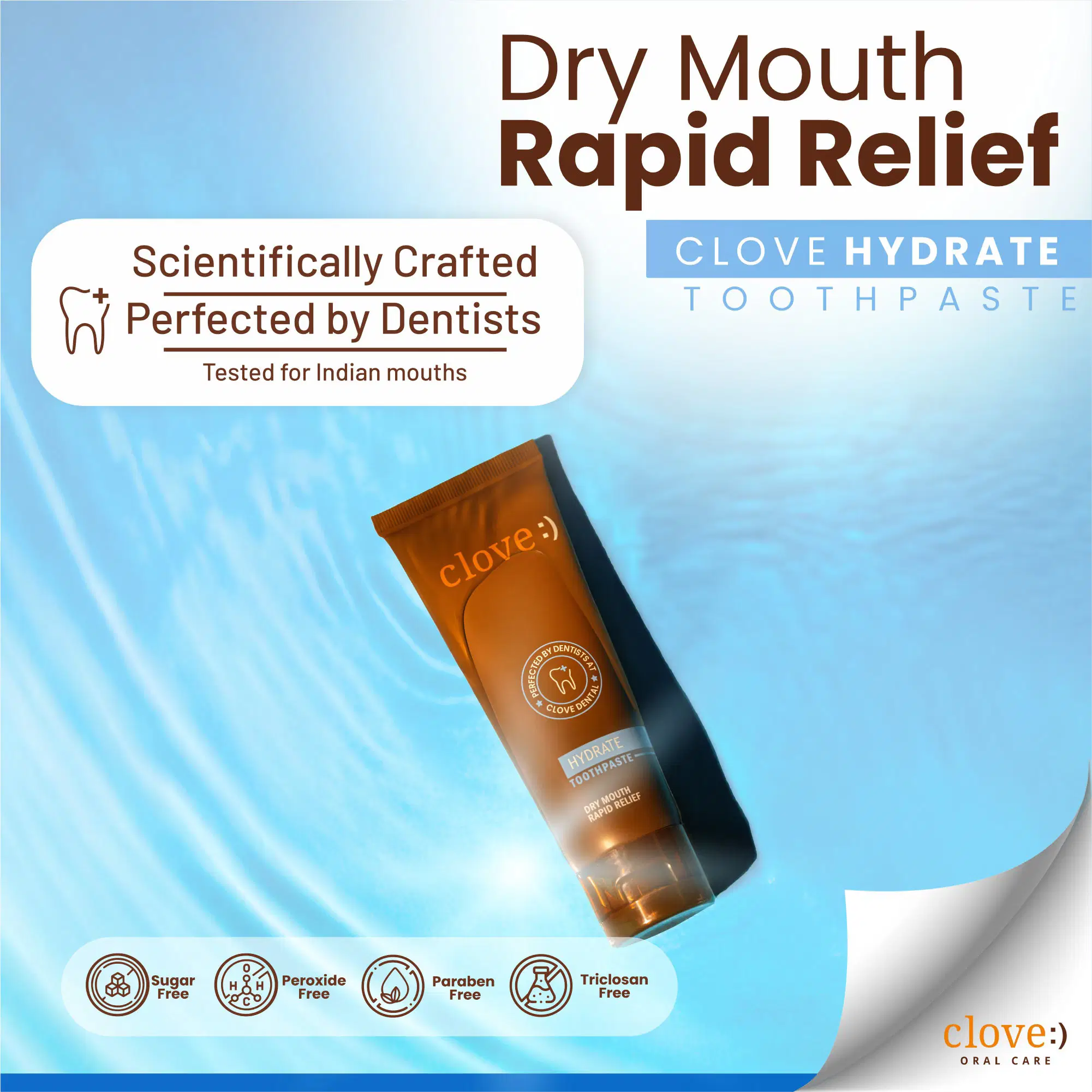
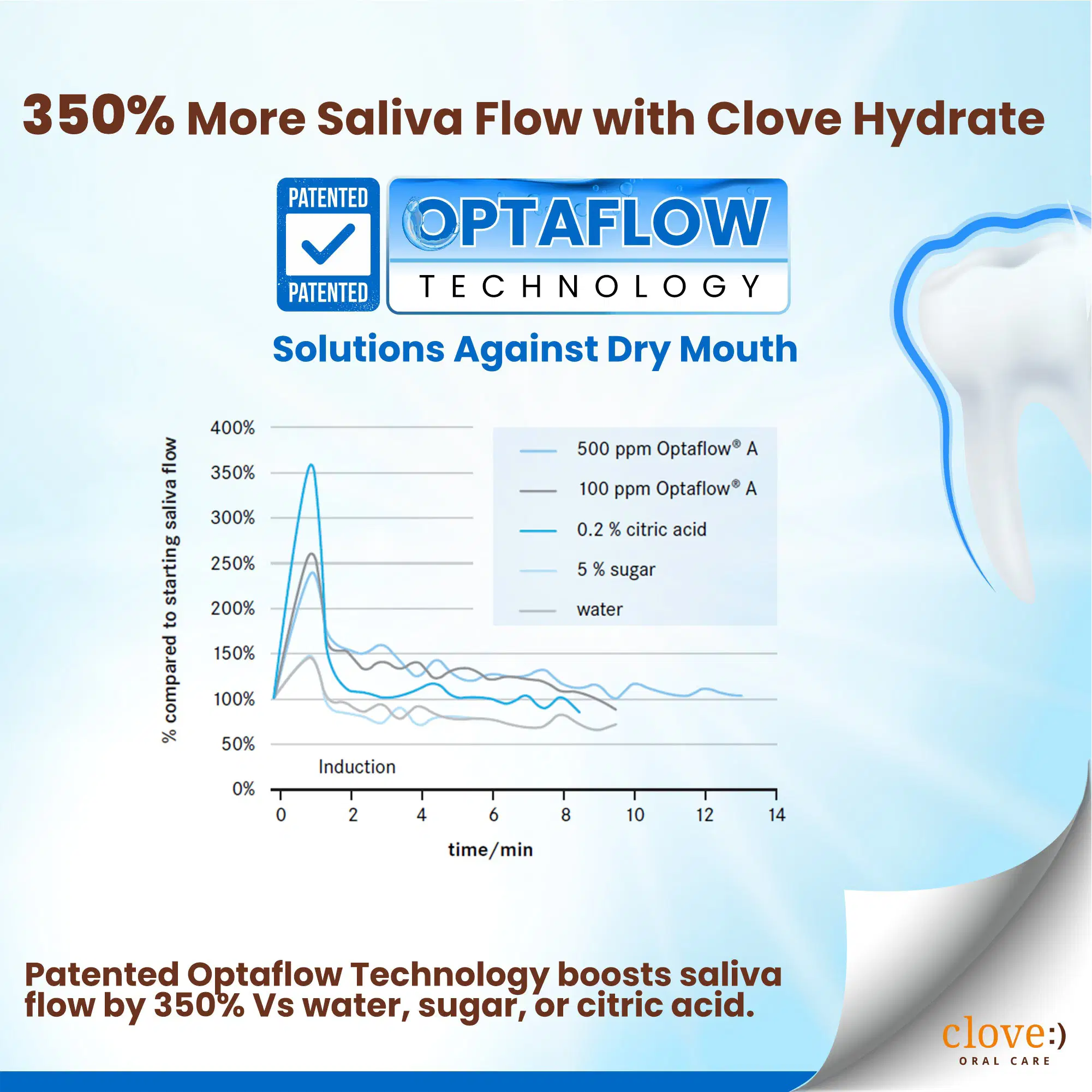
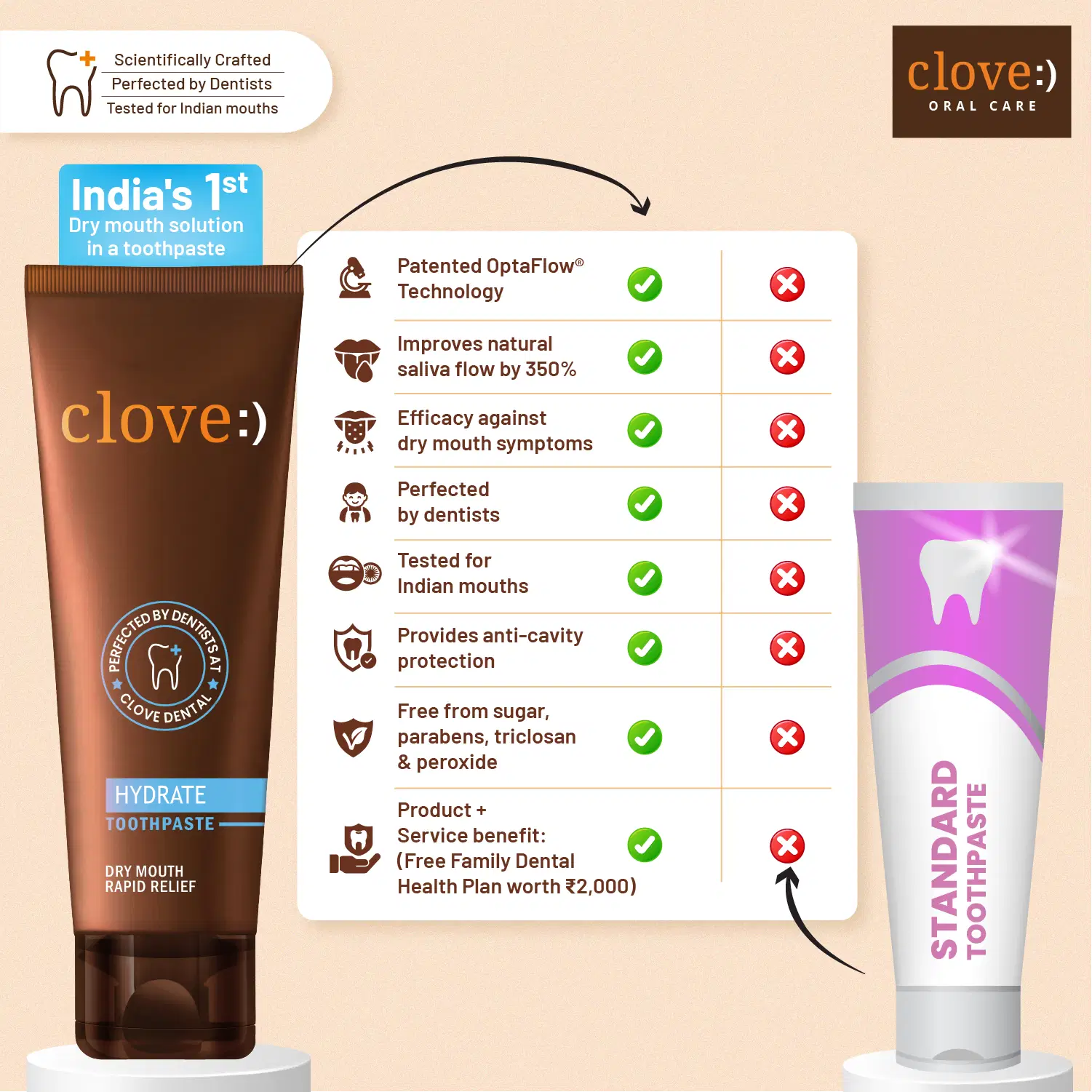
People with diabetes are more prone to dry mouth, bad breath, cavities, and gum disease compared to the average person. Clove Hydrate Toothpaste is specially formulated with Optaflow Technology to help manage these concerns by stimulating natural saliva flow, increasing saliva production by up to 140–150%, improving oral hydration, and supporting overall oral health.
Salivary gland function naturally decreases with age, increasing the risk of dry mouth in older adults. Mouth breathing, often caused by nasal congestion, can also lead to dryness. In some cases, nerve damage affecting salivary gland function or medical conditions such as diabetes and autoimmune disorders may contribute to dry mouth. Additionally, tobacco use and excessive alcohol consumption can reduce saliva production. Chronic snoring and sleep apneamay also play a role, as they often result in mouth breathing.
Original: $2.80
-65%$2.80
$0.98Product Information
Product Information
Shipping & Returns
Shipping & Returns
Description
People with diabetes are more prone to dry mouth, bad breath, cavities, and gum disease compared to the average person. Clove Hydrate Toothpaste is specially formulated with Optaflow Technology to help manage these concerns by stimulating natural saliva flow, increasing saliva production by up to 140–150%, improving oral hydration, and supporting overall oral health.
Salivary gland function naturally decreases with age, increasing the risk of dry mouth in older adults. Mouth breathing, often caused by nasal congestion, can also lead to dryness. In some cases, nerve damage affecting salivary gland function or medical conditions such as diabetes and autoimmune disorders may contribute to dry mouth. Additionally, tobacco use and excessive alcohol consumption can reduce saliva production. Chronic snoring and sleep apneamay also play a role, as they often result in mouth breathing.